Why Your Home Insurance Went Up, and 7 Things You Control
Part of your premium is set by storms, lumber prices and lawsuits you'll never see. The rest depends on choices you can make before your next renewal.

Rooftop Daily editors choose every topic independently. Some guides include labeled partner offers, and we may be paid when you request a quote. How we make money
In this guide
The letter usually arrives about a month before the policy renews. Same house, same coverage, no claims, and a premium that’s a few hundred dollars higher than last year. You’re not imagining the pattern. Insurify, a comparison site that models premiums from state insurance data, estimates the average U.S. homeowners premium rose 12% in 2025, to $2,948, and projects about $3,057 by the end of 2026.
Some of that increase you can’t touch. Some of it you can.
The short answer
Most of the recent increases come from the market: it costs more to rebuild a house, severe storms keep producing expensive claims, and insurers pay more for their own coverage. The part you control comes down to seven levers: shopping your policy, your deductible, your coverage amount, your roof, bundling, discounts for protective devices, and your credit-based insurance score where it’s used. Pull them in that order, and don’t cut coverage to save money.
Say your renewal comes in a few hundred dollars higher, with no claims and nothing changed at the house. You call your agent with three questions: what’s driving the increase, what a higher deductible would save, and whether anything like a newer roof or leak sensors earns a discount. Then you get two comparison quotes. Sometimes every company is charging more; sometimes it’s just yours.
What changed in the market
The National Association of Insurance Commissioners, the organization of state insurance regulators, lists the forces behind higher premiums in plain terms: more severe weather, higher repair and construction costs, inflation, litigation, and pricier reinsurance, which is the insurance that insurance companies buy.
The rebuilding piece is the biggest one most homeowners don’t see. The Insurance Information Institute (Triple-I) says structural replacement costs have climbed nearly 30% over the past five years, driven by supply chain problems, material prices and labor shortages. It also expects tariffs to push claim costs and premiums higher in the near term. If your policy pays to rebuild your house, and it costs a third more to rebuild it, the premium follows.
There is some cautiously good news. The same December 2025 Triple-I release says the homeowners market is showing early signs of stabilizing, with a return to profitability expected in 2026. That tends to slow increases before it reverses them, and it varies a lot by state. Insurify’s projections for 2026 range from a 16% jump in California to low single digits in many states.
What’s about your house
On top of the market, the NAIC says insurers price your own risk factors: your claims history, your location, the age and condition of the home, and in most states a credit-based insurance score. Those are where the levers are.
Seven things you control
1. Shop the policy, with the same coverage
The Triple-I suggests getting quotes from at least three insurers and checking each company’s financial strength before you buy. The NAIC’s warning is the one people skip: compare quotes for the same coverage. A cheaper quote with a lower dwelling limit, a bigger deductible or actual-cash-value roof coverage isn’t cheaper; it’s less insurance.
You won’t be alone. In a May 2026 survey of 1,000 single-family homeowners commissioned by insurer Kin, 43% said they were considering switching home insurance companies.
2. Raise the deductible, if you can cover it
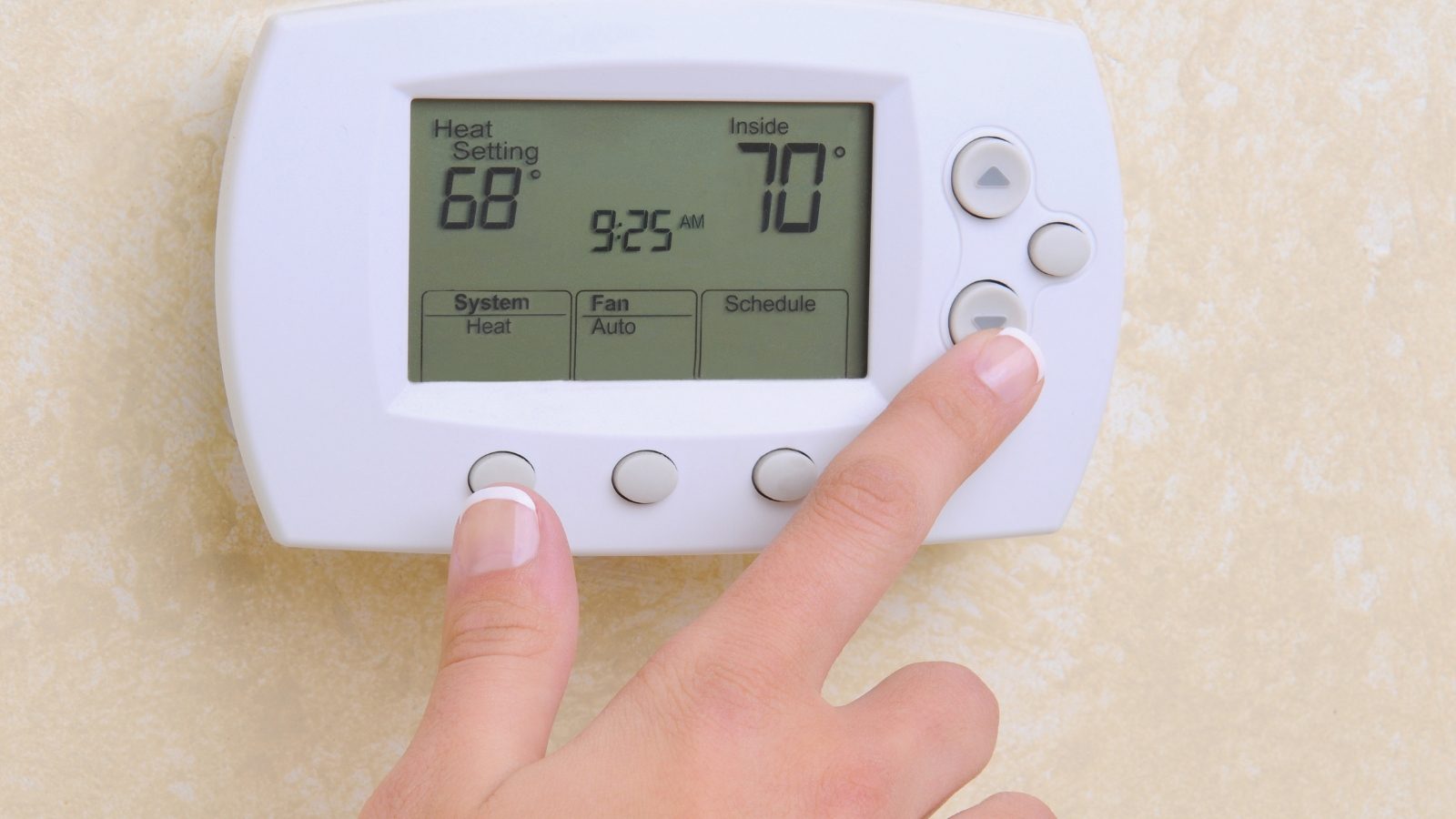
The Triple-I says moving from a $500 to a $1,000 deductible may save as much as 25%. The test is simple: could you pay the new deductible out of savings the week after a storm? If yes, it’s often the single biggest lever. If not, leave it.
Check whether your policy has a separate wind, hail or hurricane deductible. Those are usually a percentage of your dwelling coverage, typically 1% to 5% for wind and hail, not a flat dollar amount. On a house insured for $400,000, a 2% wind deductible is $8,000.
3. Insure the rebuild, not the sale price
Your dwelling coverage should match what it would cost to rebuild the house, which has nothing to do with what you paid for it or what the land is worth. The Triple-I says not to confuse the two. With rebuilding costs up as much as they are, it’s worth checking that your limit kept pace. Ask your agent how the rebuild estimate was calculated, and whether your policy pays replacement cost or actual cash value.
4. Mind the roof
The roof is the part of your house insurers look at hardest. The Triple-I says that when a roof is more than 20 years old, insurers often require an inspection, some decline to write the policy, and others limit roof claims to actual cash value, meaning depreciation comes out of your payout. A newer, impact-resistant or storm-rated roof can lower premiums with some insurers, and the NAIC suggests asking your state insurance department about mitigation grants for roof upgrades.
5. Bundle, then check the math
Some insurers take 5% to 15% off when you buy home and auto together, according to the Triple-I. Price the bundle and the two policies separately anyway. A bundle discount on an expensive pair of policies can still lose to two cheaper ones from different companies.
6. Ask for every protective-device discount
The Triple-I says many insurers give at least 5% for smoke detectors, burglar alarms or deadbolts, and up to 15% to 20% for a sprinkler system plus a monitored fire and burglar alarm. Water leak sensors and automatic shutoff valves earn discounts with some companies too. Insurers rarely apply these on their own; call and ask what’s on your policy and what’s missing.
7. Your credit-based insurance score
In most states, insurers can use a credit-based insurance score, which is built from your credit report but isn’t the same number as your credit score. The NAIC suggests asking your insurer whether one was used to set your rate, pulling your free reports at annualcreditreport.com to fix errors, and asking for a re-rate after a major life event like a job loss or serious illness. Some states limit or ban the practice for homeowners policies.
The numbers
| Lever | What it can be worth | Watch out for |
|---|---|---|
| Higher deductible ($500 → $1,000) | Up to 25% | Only if you can pay it after a claim |
| Bundling home and auto | 5%–15% at some insurers | Compare against separate policies |
| Smoke detector, burglar alarm, deadbolts | At least 5% at many insurers | Ask; it’s rarely automatic |
| Sprinklers plus monitored alarm | Up to 15%–20% | Installation cost |
| Staying with one insurer | 5% after 3–5 years; 10% after 6+ at some insurers | Loyalty can cost more than shopping |
| Shopping the policy | Varies widely | Compare the same coverage |
Source: Insurance Information Institute, “12 Ways to Lower Your Homeowners Insurance Costs.” Discounts vary by insurer and state.
Advertisement
Two cuts that can backfire
Call a pro
Cutting the dwelling limit to lower the premium can leave you unable to rebuild after a total loss. Dropping to actual-cash-value coverage, especially on the roof, can mean a hail claim pays a fraction of a new roof. Both make the bill smaller and the protection much smaller. If an agent suggests either one, ask them to show you, in dollars, what a total loss and a roof claim would pay before and after.
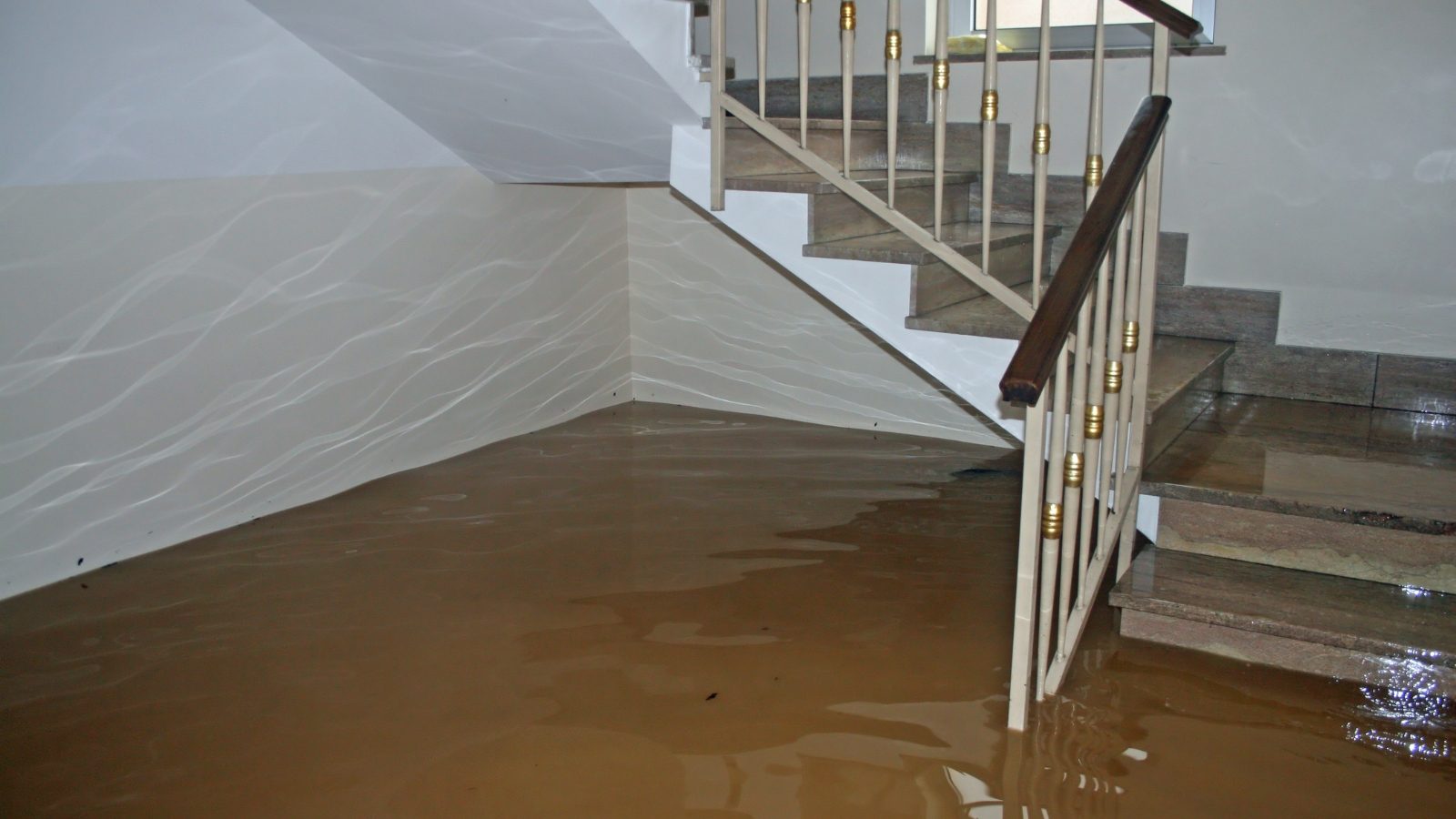
Coverage you may actually need more of, especially in older houses, is water backup. Standard policies usually don’t cover water that backs up through a drain unless you add an endorsement. Read what a homeowners policy usually doesn’t cover before you decide what to trim.
When to shop
Shop at every renewal that jumps by more than you’d shrug off, after you replace a roof or add a monitored alarm, and every couple of years otherwise. Get your current declarations page out first so every quote is built on the same limits, deductibles and replacement-cost terms. If you’re in a state with a lot of insurer pullbacks, an independent agent who quotes several companies can save you hours.
Your next step
Pull your declarations page tonight and find four numbers: dwelling limit, all-perils deductible, wind or hail deductible, and whether the roof is covered at replacement cost. Those four tell you which levers you have. If the roof is near or past 20 years, read how much a new roof costs in 2026 before your next renewal, and keep the gutters doing their job in the meantime with our guide to cleaning, guarding or replacing them.
Questions readers ask
Why did my homeowners insurance go up if I didn't file a claim?
Most of the increase usually comes from things outside your control: higher costs to rebuild, more severe weather claims, and what insurers pay for their own reinsurance. Your own claims history, roof, location and, in most states, credit-based insurance score can push it further.
Is it worth raising my deductible?
It can be. The Insurance Information Institute says moving from a $500 to a $1,000 deductible may save as much as 25%. Only do it if you could pay the higher amount out of pocket the day after a claim.
Does the age of my roof affect my insurance?
Yes. The Triple-I says insurers often require an inspection when a roof is more than 20 years old, some won't write the policy, and others may pay only the depreciated value of an older roof after a claim.
Should I switch insurance companies?
It's worth comparing quotes every year or two, and at every big increase. Make sure each quote has the same coverage limits, deductibles and replacement-cost terms before you compare prices.