Gutters: Clean, Guard or Replace?
Gutter guards cut down on ladder days, but they don't end them. Here's how to tell which fix your house needs, and what each one really costs.
Rooftop Daily editors choose every topic independently. Some guides include labeled partner offers, and we may be paid when you request a quote. How we make money
In this guide
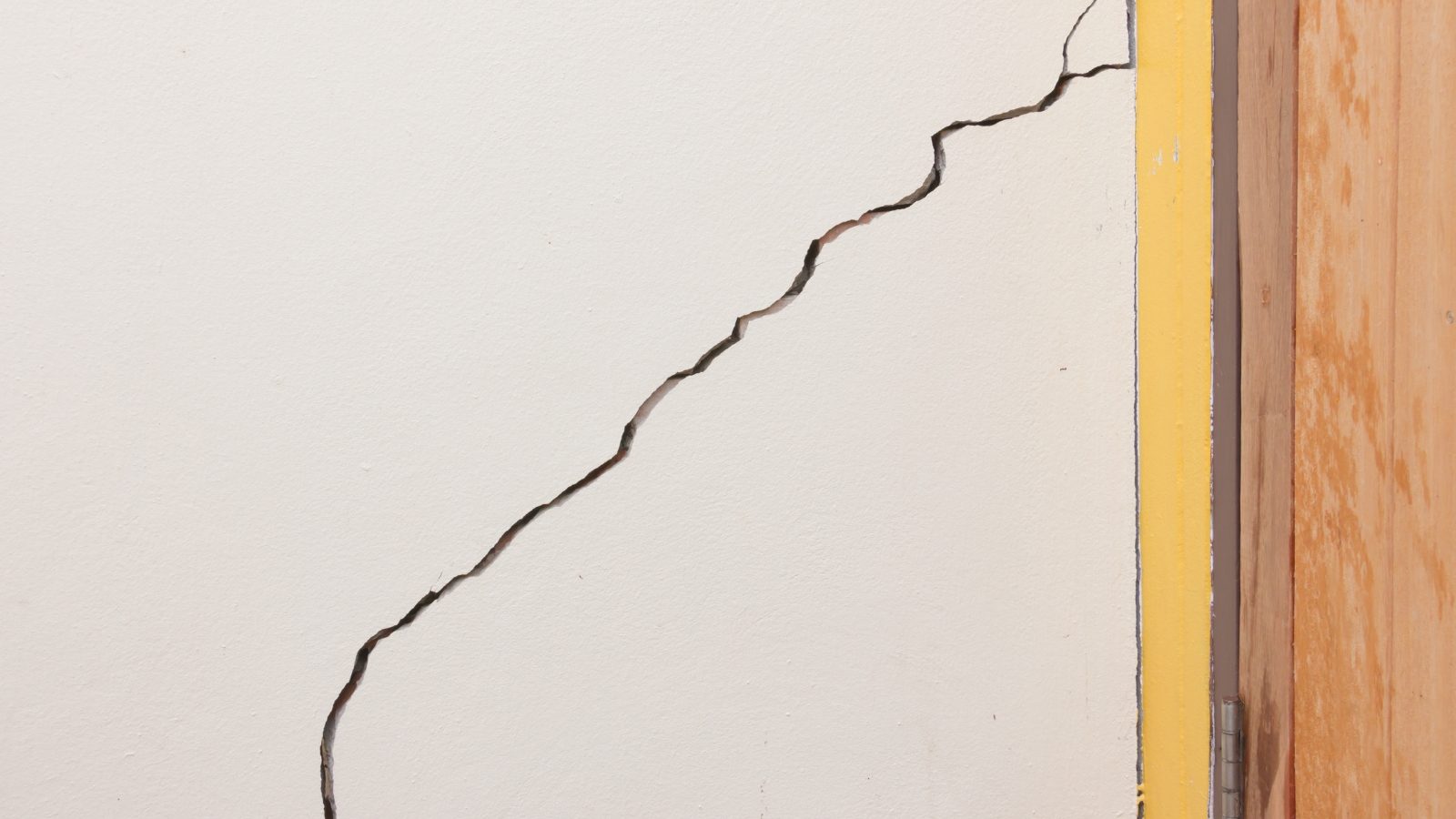
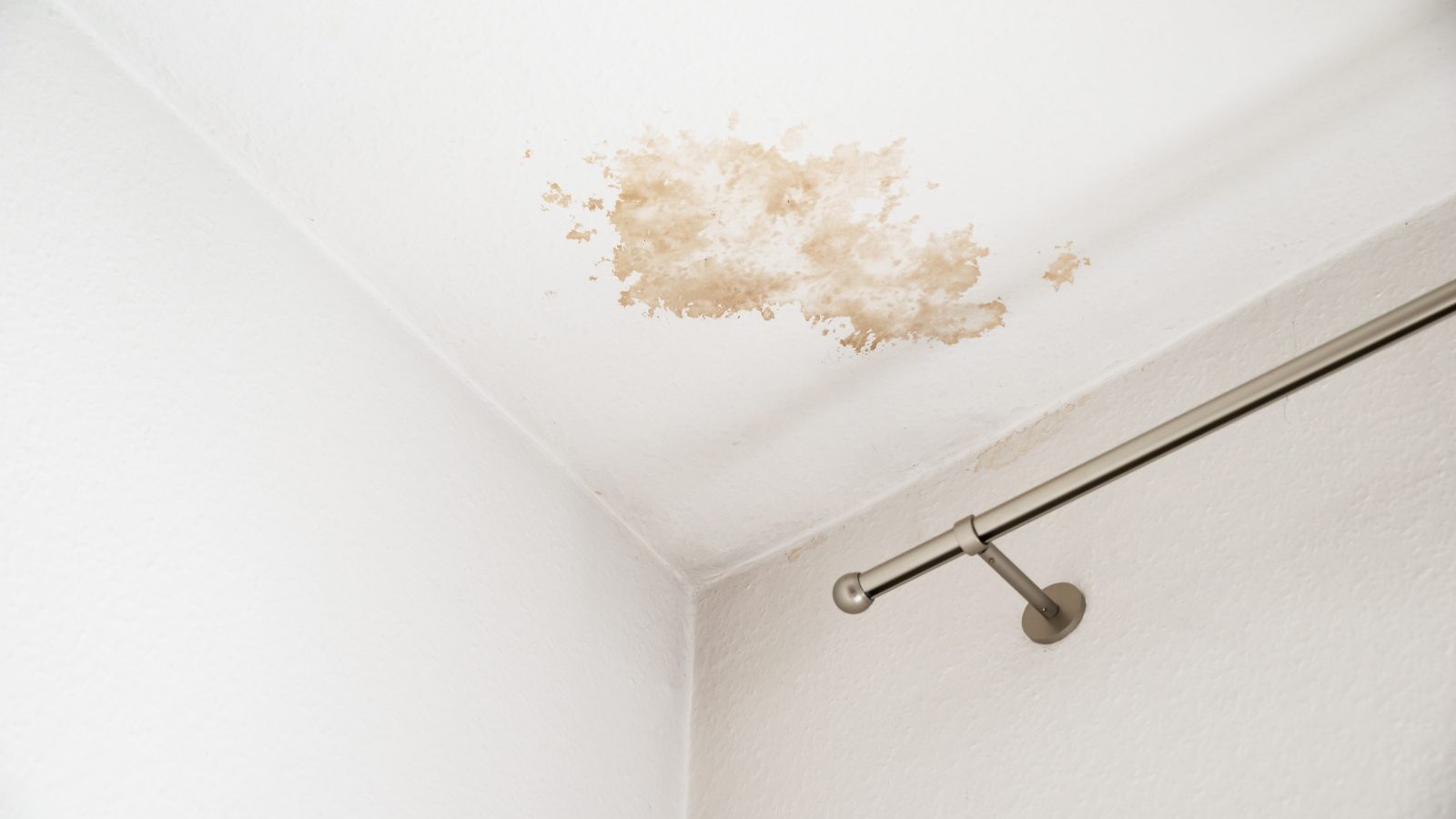
The most expensive gutter problem you’ll ever have won’t look like a gutter problem. It’ll look like a soft spot in the fascia board, a crack in the basement wall, or a brown ring on the ceiling of the room under a roof valley. Water that comes off a roof has to go somewhere, and gutters are the only thing deciding where.
The short answer
If your gutters are sound and you’re simply tired of cleaning them, guards are worth pricing, especially under big trees. If the gutters sag, leak at the seams, or pull away from the house, guards won’t fix that: repair or replace first. And if the real problem is water pooling by the foundation, start with the downspouts. That fix often costs less than a tank of gas.
Here’s a common way it shows up: one corner of the basement gets damp after every big storm, and nowhere else. The first quote is for basement waterproofing. The actual cause is outside, directly above that corner, where a downspout empties onto the ground a foot from the foundation. Extend the downspout so it carries the water away, and the corner stays dry.
First, figure out which problem you actually have
Walk the house after a hard rain, or run a garden hose into the gutter at the high end and watch. You’re looking for three different failures, and each points to a different fix.
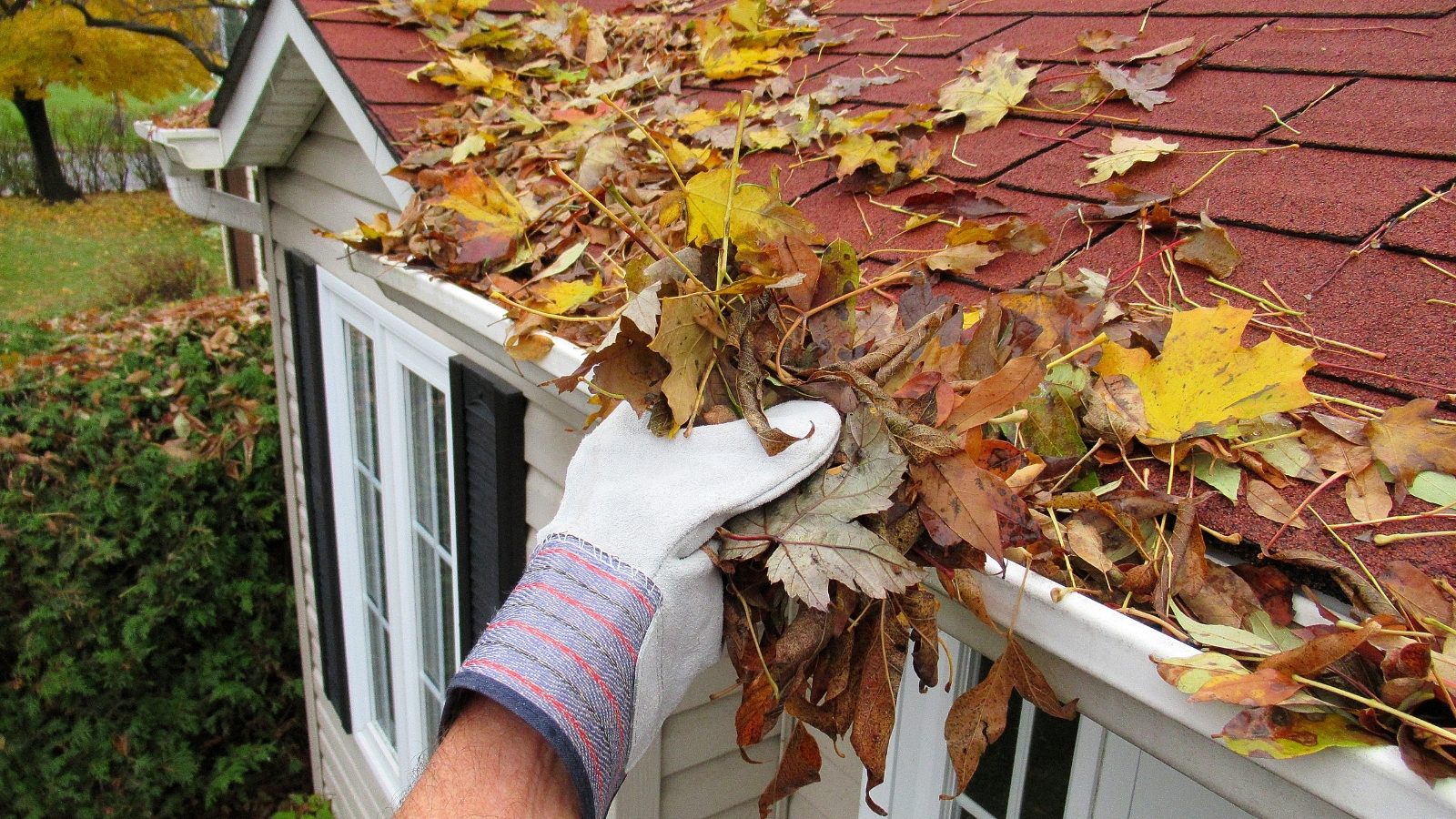
Water overflowing the front edge. Usually a clog, sometimes a gutter that’s too small for the roof above it. Clogs happen at the downspout outlet first. Pull a handful of debris from there and run the hose again.
Water dripping behind the gutter. This is the one that rots fascia. It often means the gutter has pulled away from the house or was hung without flashing behind it. Look for dark streaks on the fascia or siding just below the gutter line.
Water pooling near the foundation. The gutters may be doing their job and the downspouts aren’t. If a downspout drops water right at the house, the soil there stays saturated, and water finds its way into basements and crawl spaces.
Fix the downspouts before anything else
This is the cheapest job on the list and the one most people skip. One widely cited recommendation is to carry roof water 4 to 6 feet from the foundation, and farther if your yard slopes toward the house. This Old House’s landscape contractor warns that short kick-outs let water soak into the foundation and wick up the side of the house, which invites rot, mold and insects.
This weekend
Buy a 4- to 6-foot extension for each downspout that ends near the house. Snap-on aluminum or vinyl extensions are sold at any hardware store. Angle each one toward ground that slopes away from the house. If a downspout dumps onto a walkway or driveway, a flip-up hinged extension lets you move it out of the way to mow.
If extensions get in the way of mowing every week, the permanent version is a buried drain line that runs to daylight or a dry well. That’s a half-day of trenching for a handy homeowner, or a job for a landscaper or drainage contractor.
Advertisement
What gutter guards actually do (and don’t)
A guard is a cover over the top of the gutter that lets water in and keeps leaves out. That’s the whole idea. The differences are in how well each type handles small debris, heavy rain and ice.
The honest headline: guards reduce cleaning, they don’t end it. Even fine micro-mesh lets grit through over time. One contractor quoted by This Old House still recommends a yearly cleaning to clear the sludge that builds up underneath. If anyone tells you a guard means “never clean again,” keep shopping.
The main types, from least to most expensive
The installed ranges below come from a 2026 cost guide by a waterproofing company. Treat them as national ballparks. Your quotes will vary with your region, roof pitch, number of stories and how much gutter you have.
The numbers
| Guard type | Installed, per linear foot (2026) | Good at | Watch out for |
|---|---|---|---|
| Plastic or vinyl screen | $1–$2 | Big leaves, cheap DIY | Sags, cracks in sun; small debris gets through |
| Foam insert | $3–$5 | Easy to install | Can overflow in heavy rain; seeds can sprout in it |
| Brush insert | $4–$6 | Pull-out cleaning | Traps pine needles; needs regular shaking out |
| Metal mesh screen | $3–$6 | Most leaves, sturdy | Fine debris still passes |
| Reverse curve (surface tension) | $5–$9 | Heavy leaf loads | Can overshoot in downpours; visible from the street |
| Aluminum micro-mesh | $6–$13 | Pine needles, seeds, grit | Fine mesh can film over; needs a seasonal rinse |
| Premium branded systems | $15–$45 | Often bundled with new gutters and long warranties | Price; read what the warranty actually covers |
Source: U.S. Waterproofing, “How Much Do Gutter Guards Cost?” updated March 2026. The same guide estimates a typical 150- to 200-foot home at roughly $900 to $2,600 installed.
Match the guard to your trees
- Big deciduous trees (maple, oak): almost any guard helps. Metal mesh or reverse curve gives you the most for the money.
- Pines, spruces, seeds and helicopters: this is where cheap screens fail. Micro-mesh is the type built for it.
- Few trees, mostly roof grit: you may not need guards at all. Clean once a year and spend the money on downspouts.
If anyone tells you a guard means “never clean again,” keep shopping.
Two things to ask before you sign
How does it attach? Some guards slide under the first row of shingles. That can cause trouble with a roof warranty. Ask the installer to show you how it mounts, then check your roof’s warranty terms. Guards that fasten to the gutter’s front lip and back edge avoid the shingles entirely.
What happens in ice? In snow country, guards can make ice dams worse by giving ice a lid to form under. Ask how the product performs in your climate, and whether the installer has seen it through a few winters.
When it’s time to replace the gutters themselves
Guards sit on top of the gutter you already have. If that gutter is failing, you’re putting a new lid on a leaky pot. Replace or repair first if you see:
- Seams or end caps that drip even after cleaning
- Sections that sag, or spikes and hangers pulling out of the fascia
- Rust-through on steel gutters, or splits in old vinyl
- Gutters that overflow during normal storms even when they’re clean, which can mean they’re undersized for the roof
Many homeowners replace gutters and add guards in one job. It’s often cheaper per foot to do both at once, and some guard warranties only apply when the installer also hangs the gutter. Get the gutter and the guard priced as separate line items so you can compare quotes fairly.
Call a pro
Stop if the gutter is on a second story or a steep roof, the fascia board behind it is soft or crumbling, or you see water stains inside the house below the roofline. Soft fascia can mean rot in the roof edge, which is a roofing job, not a gutter job. And if you’re not comfortable on a ladder at full extension, that’s reason enough. Falls from ladders send many people to the emergency room every year.
What waiting costs
Gutter work is cheap compared with what it protects. Repairs to rotted fascia, a wet basement or a stained ceiling all cost more than a season of cleaning or a run of new downspouts. Before you put off a gutter fix, price the damage it’s there to prevent.
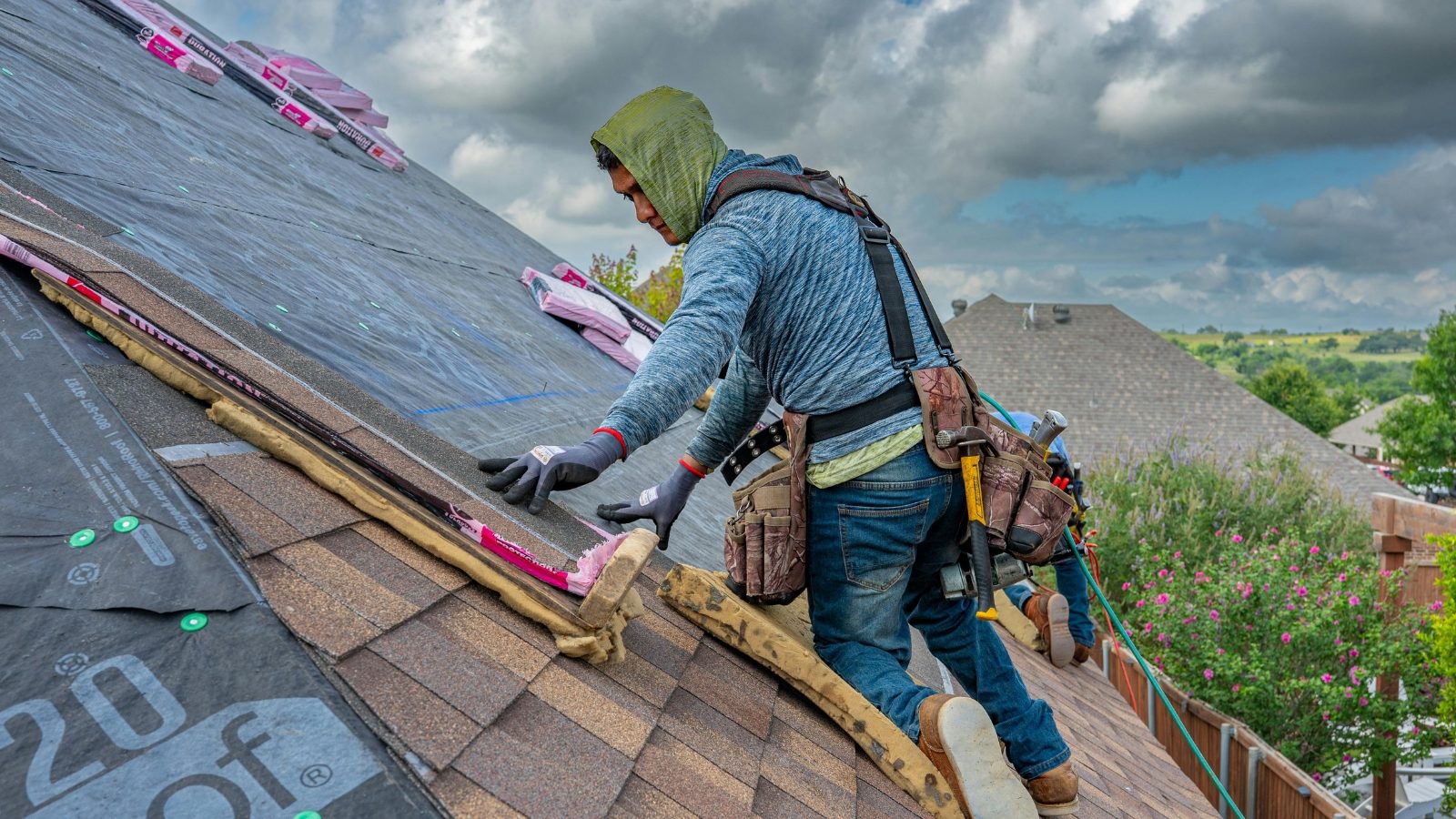
If your roof itself is getting old, gutters are a good moment to look up. A roofer can check the drip edge, valleys and shingles while you’re already pricing work at the eaves. See how much a new roof costs in 2026 and what affects your insurance premium.
Your next step
Go outside on the next rainy day with a jacket and five minutes. Watch where the water goes. Then fix the cheapest thing first: extend the downspouts. If the gutters overflow when they’re clean, get them looked at. If they work but you’re tired of the ladder, price guards that suit your trees.
For the rest of the season’s list, see the fall-to-winter house checklist.
Advertisement
Questions readers ask
Do gutter guards mean I never have to clean my gutters?
No. Good guards cut cleaning way down, but fine grit, pollen and pine needles still build up. Plan on a check every season and a rinse or light cleaning about once a year.
How much do gutter guards cost to install?
One waterproofing company's 2026 cost guide puts professional installation at roughly $6 to $13 per linear foot, with premium branded systems running higher. Plastic screens you install yourself can cost under $1 a foot.
Can gutter guards void my roof warranty?
They can. Guards that slide under the first row of shingles may conflict with a roof manufacturer's warranty. Ask the installer how the guard attaches and check your roof warranty before you sign.
How far should downspouts carry water from the house?
A common recommendation is 4 to 6 feet from the foundation, farther if the yard slopes toward the house.