The Fall-to-Winter House Checklist
Twelve jobs, ranked by what it costs to skip them. The first five head off fire, frozen pipes and a dead furnace; the rest can wait for a free weekend.
Rooftop Daily editors choose every topic independently. Some guides include labeled partner offers, and we may be paid when you request a quote. How we make money
In this guide
The first night of the year that drops into the teens is when a lot of winter’s emergency calls start. Hose bibs split. A furnace that sat idle since April won’t light. Someone discovers the carbon monoxide alarm has been chirping for a month with a dead battery. Almost all of it could have been handled on a mild Saturday in October.
The short answer
If you only do five things before winter, make them these: change the furnace filter and book a heating tune-up, get the chimney and vents checked, test your smoke and carbon monoxide alarms, shut off and drain the outdoor faucets, and clear the gutters and downspouts. Those five head off the failures that cost the most or hurt people. Everything else on this list is worth doing, just not as urgently.
Here’s the classic first-cold-snap story. A garden hose stays attached to the outside faucet into November because it’s handy for rinsing the car. The first night in the teens freezes the water trapped in the faucet, and nobody notices anything until spring, when the hose gets turned on and water runs down the inside of the basement wall. Unscrewing the hose in October would have taken two minutes.
The five that can’t wait
1. Furnace filter and a fall tune-up
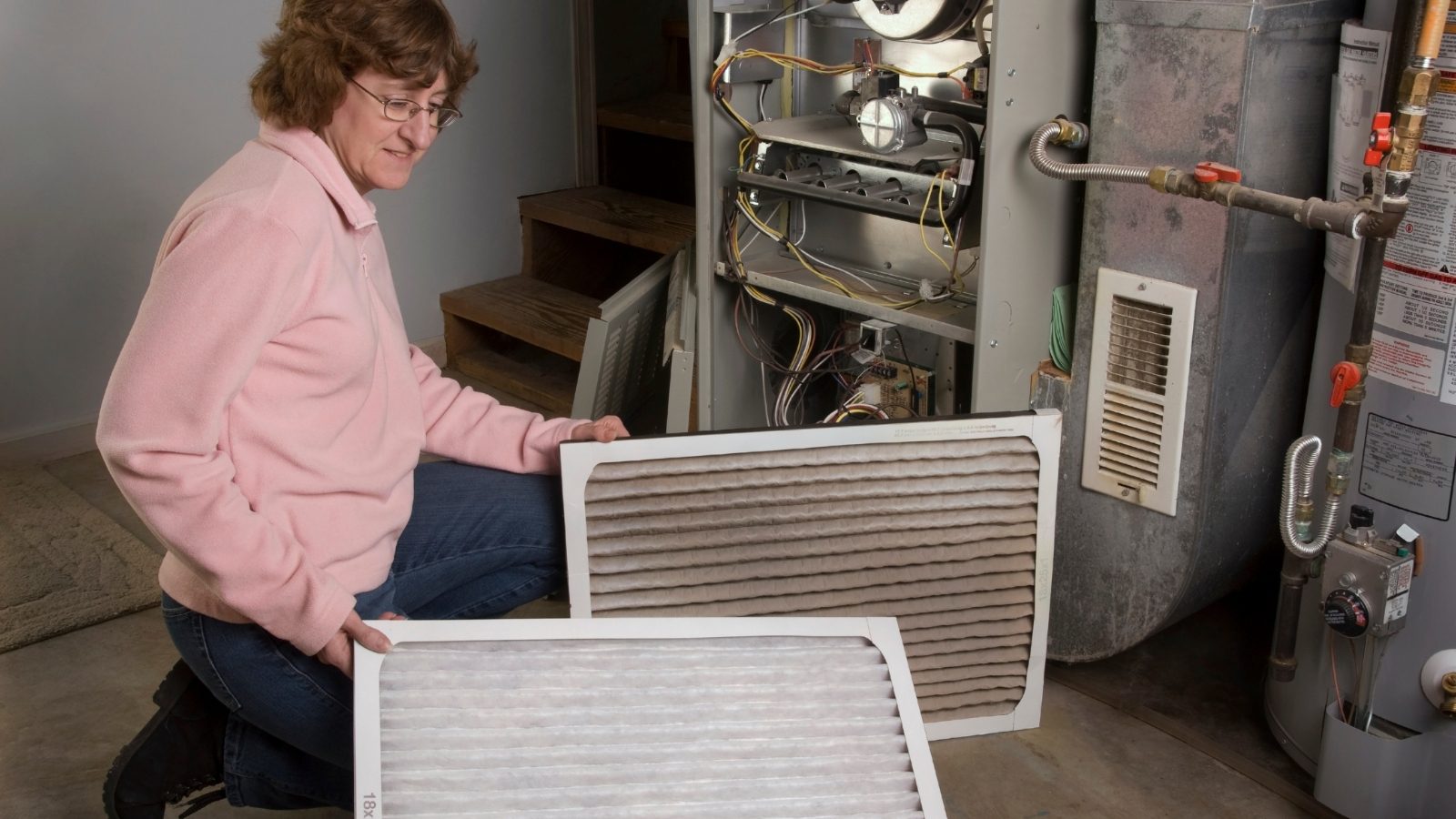
Start with the filter, because it takes two minutes. ENERGY STAR says to check it monthly during heavy use and replace it if it looks dirty, and to change it at least every three months regardless. Write the size on the furnace with a marker so you’re not guessing in the aisle at the hardware store.
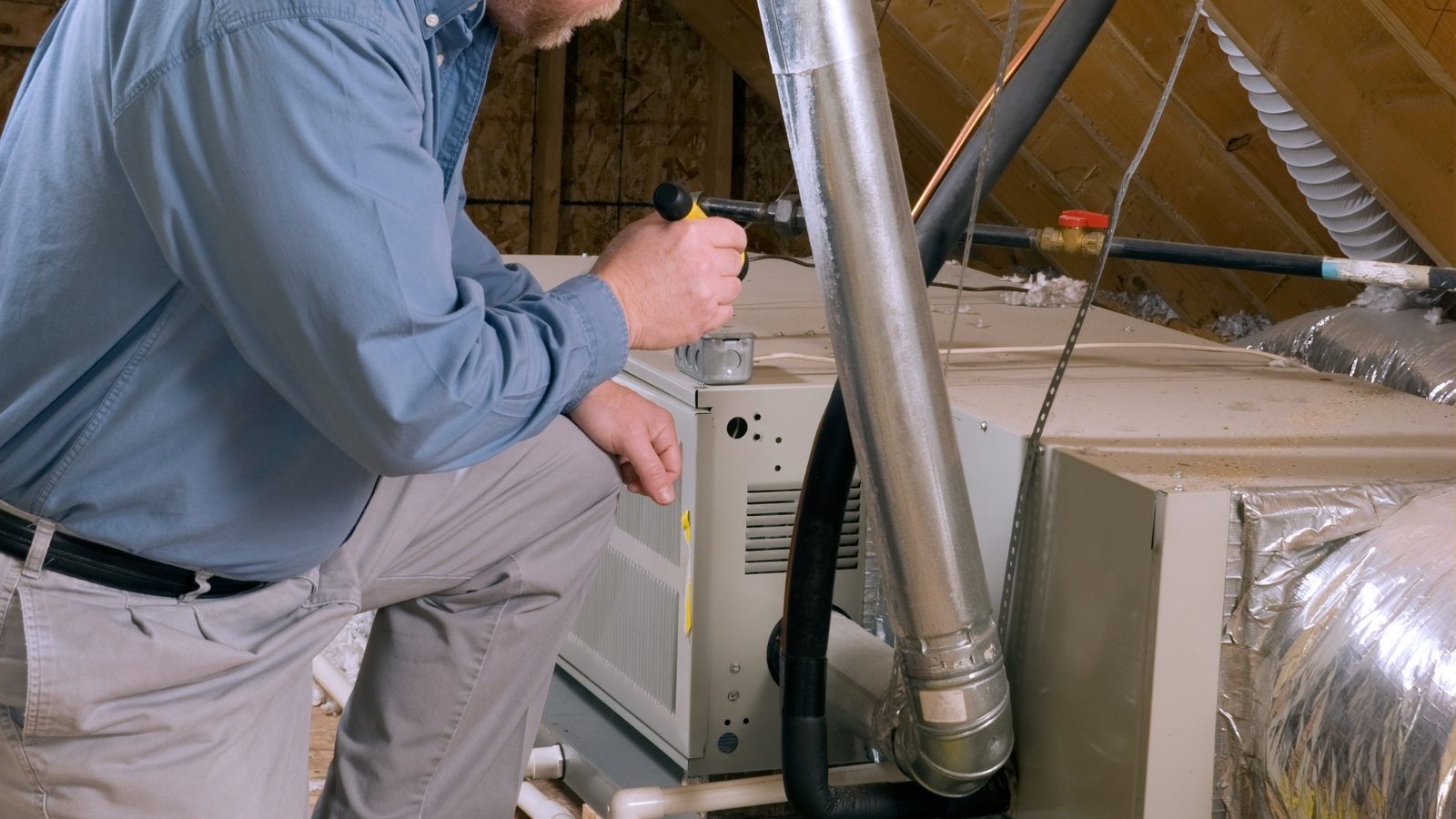
Then book the tune-up. ENERGY STAR’s maintenance checklist puts the heating check-up in the fall and suggests tying it to the clock change so it becomes a habit. On a gas or oil furnace, the technician should check the fuel connections, burner and heat exchanger. A cracked heat exchanger isn’t something you’ll spot yourself, and it’s one of the reasons the visit is worth paying for.
Book early. Once the first cold week hits, the schedule fills with no-heat calls and maintenance visits get pushed out.
2. Chimney, flue and appliance vents
If you burn wood, oil or gas, the U.S. Fire Administration says to have heating equipment and chimneys cleaned and inspected every year by a professional. Its numbers explain why: in 2021, an estimated 32,200 home heating fires caused about 190 deaths, and heating was the second-leading cause of home fires.
Outside, look at where your furnace and water heater vent. Leaves and nests block them in fall. Snow blocks them in winter, and the CPSC specifically warns homeowners to keep those vents clear so carbon monoxide doesn’t back up into the house.
3. Smoke and carbon monoxide alarms
The CPSC recommends a CO alarm on every level of the home and outside sleeping areas, tested monthly, with fresh batteries once a year. Do the batteries the day the clocks change and you’ll never have to remember a separate date.
Press the test button on every alarm, including the one in the basement nobody looks at. If an alarm is past the replace-by date printed on its back, replace the whole unit.
Call a pro
If you smell gas, leave the house and call your gas utility from outside. If a CO alarm sounds, get everyone out and call 911. Don’t try to find the source first, and don’t go back in until responders say it’s safe.
4. Outdoor faucets and hoses
A hose left connected traps water in the faucet, and when it freezes, the split often happens inside the wall where you won’t see it until spring. The Philadelphia Water Department’s routine is the standard one: disconnect the hose, close the shutoff valve inside the house, then open the outdoor faucet so the water left in the line drains out.
This weekend
Can’t find the inside shutoff? Stand at the outdoor faucet, note where it is on the wall, then go to the same spot in the basement or crawl space. The valve is usually within a few feet, on the pipe heading toward that wall. Tie a tag on it so next year takes 30 seconds.
While you’re there, wrap any pipes that run through unheated spaces like a garage, crawl space or exterior wall. Foam sleeves from the hardware store are cheap and easy to fit. For the full playbook, see our guide to preventing and fixing frozen pipes.
5. Gutters and downspouts
Clean them after most of the leaves are down, then run a hose through each one to make sure water comes out the bottom. Downspouts that dump water at the foundation are the quiet cause of a lot of wet basements; an extension that carries it a few feet away costs very little. We cover guards, cleaning and replacement in Gutters: Clean, Guard or Replace?
Advertisement
Worth a weekend
None of these will cause an emergency if you skip them. All of them make the house cheaper or more comfortable to run.
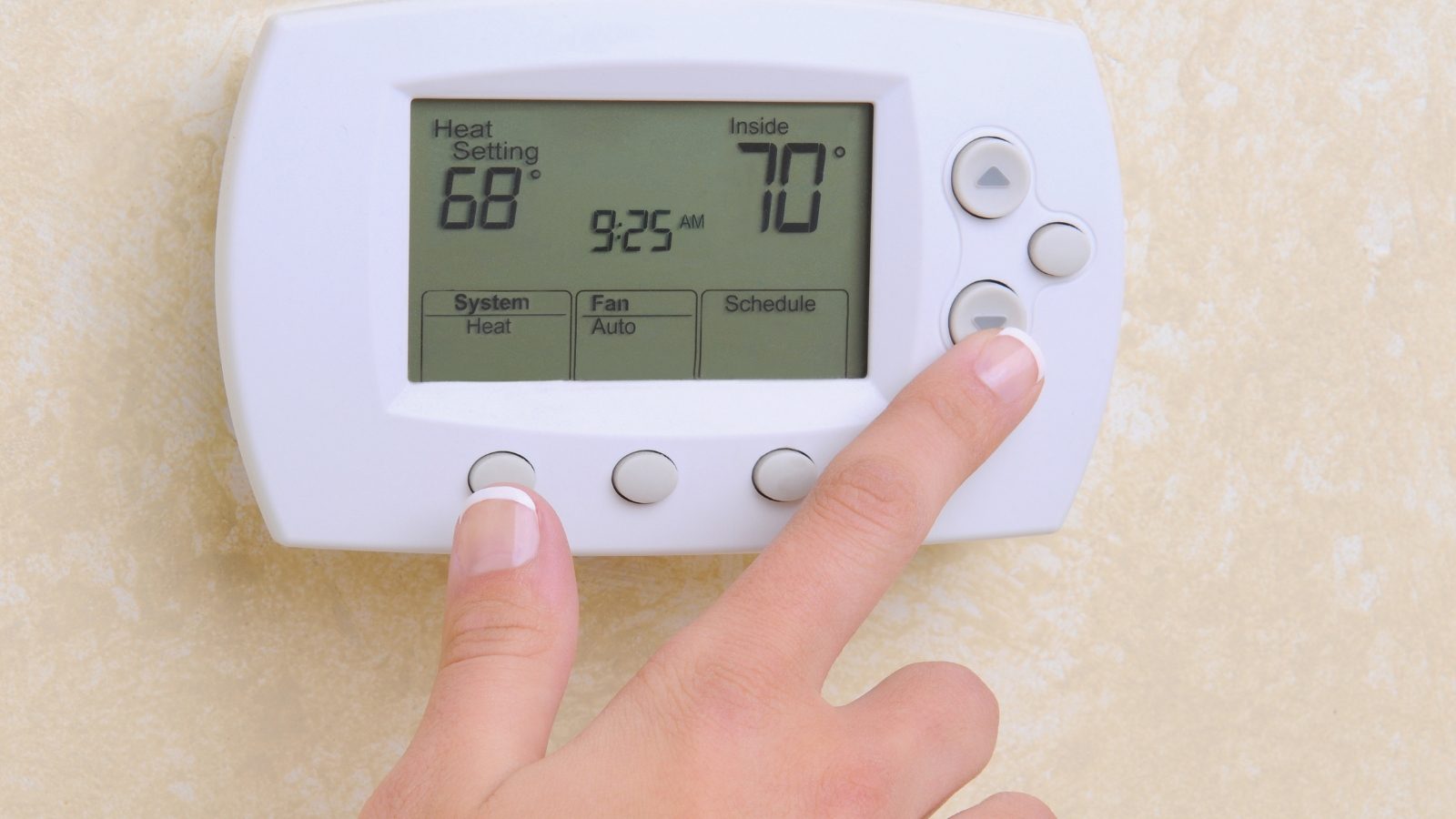
Set the thermostat back at night. The Department of Energy estimates that turning the heat down 7 to 10 degrees for 8 hours a day can cut heating bills by as much as 10% a year. A programmable or smart thermostat does it for you.
Stop the drafts. Weatherstripping on doors, caulk around window trim, and a foam gasket behind outlet covers on exterior walls. Hold a lit incense stick near the edges on a windy day and watch where the smoke moves.
Seal the ducts you can reach. ENERGY STAR says sealing and insulating ducts in attics, crawl spaces, unheated basements and garages can improve system efficiency by as much as 20%. Use mastic or foil-backed tape, which is what ENERGY STAR recommends.
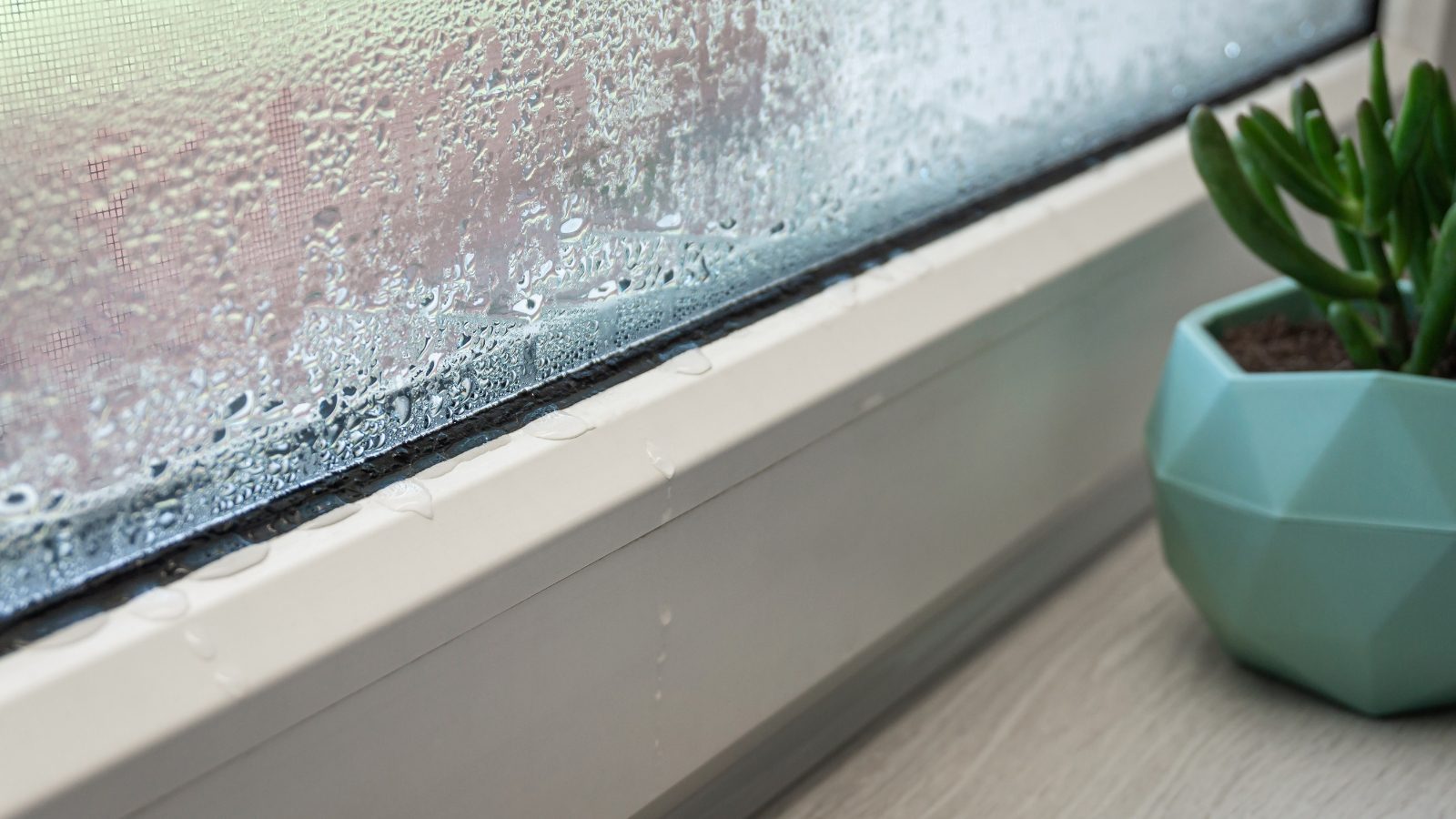
Look at the attic before the snow does. Ice dams start with heat leaking into the attic. University of Minnesota Extension calls sealing air leaks in the ceiling the most important long-term fix, followed by more insulation. If you find damp insulation or frost on the underside of the roof deck now, that’s your sign.
Test the sump pump. Pour a bucket of water into the pit and make sure the pump kicks on and drains it.
Walk the roof from the ground. Binoculars, not a ladder. Look for missing or curled shingles, lifted flashing around the chimney, and anything sagging at the eaves.
Adjust the list for where you live
Cold, snowy winters (Northeast, Midwest, Mountain West). Everything above, in order, done before Halloween. Buy a roof rake so you can pull heavy snow off the lower roof from the ground. Extension specialists warn against going up on a roof in winter; leave anything beyond a rake to a pro.
Mild winters (Southeast, Gulf, Southwest). Hard freezes are rare, which is why they can do more damage: pipes are often run through attics, exterior walls and crawl spaces with little insulation. Insulate exposed pipes and know where your main shutoff is. Have your heat pump checked; many run hard on only a few nights a year, which is exactly when you need them to work.
Storm country. If winter storms knock out your power, the generator rules matter. The CPSC says portable generators belong outside and at least 20 feet from the house, never in a garage, basement or shed, with the exhaust pointed away from doors and windows.
If you’re leaving for the winter
A house that sits empty in cold weather needs more than a thermostat set low. The Philadelphia Water Department advises draining and winterizing the plumbing if a home will be vacant during the cold months. A plumber can do it in a visit. Ask someone to check on the house regularly, and look at your homeowners policy before you go. Some policies limit coverage for freeze damage in a home left unoccupied. See what a homeowners policy usually doesn’t cover.
Advertisement
The printable list
| Task | Who | When |
|---|---|---|
| Check or change furnace filter | You | Monthly through winter |
| Heating tune-up | HVAC pro | Fall, before daily use |
| Chimney and flue inspection | Chimney pro | Yearly, before the first fire |
| Clear furnace and water heater vents | You | Fall, then after every snow |
| Test smoke and CO alarms; new batteries | You | Monthly; batteries yearly |
| Disconnect hoses, close inside valve, drain outdoor faucet | You | Before the first hard freeze |
| Insulate exposed pipes | You | Fall |
| Clean gutters, check downspouts | You or a pro | After the leaves drop |
| Thermostat setback | You (or a smart thermostat) | All winter |
| Weatherstrip and caulk | You | Fall |
| Seal reachable ducts | You or a pro | Fall |
| Attic check for leaks and damp insulation | You | Fall |
| Test sump pump | You | Fall |
| Roof check from the ground | You | Fall |
Sources: ENERGY STAR, U.S. Fire Administration, U.S. Consumer Product Safety Commission, Philadelphia Water Department, U.S. Department of Energy, University of Minnesota Extension. Links in the article and below.
To see which big systems in your house are getting close to the end of their life, our guide to how long a roof, furnace and water heater last is a good next read. If your furnace is already showing its age, read repair or replace? before you approve a big repair.
Your next step
Change the furnace filter today. While you’re in the basement, find the inside valve for your outdoor faucet and tag it. Then put the tune-up and the alarm batteries on the calendar for the weekend the clocks change. That’s the most important hour you’ll spend on the house this fall.
Questions readers ask
How often should I change my furnace filter in winter?
ENERGY STAR says to check it every month during heavy heating use and replace it if it looks dirty. Even a clean-looking filter should be changed at least every three months.
Do I really need a furnace tune-up every year?
ENERGY STAR and the U.S. Fire Administration both recommend a yearly professional check of heating equipment. Fall is the time for it, before the system runs every day and before technicians get booked up.
Where should carbon monoxide alarms go?
The Consumer Product Safety Commission recommends one on every level of the home and outside sleeping areas. Test them monthly and replace the batteries once a year.
When should I shut off my outdoor faucets?
Before the first hard freeze in your area. Disconnect the hose, close the shutoff valve inside the house, then open the outdoor faucet so the water left in the pipe can drain.