Heat Pump vs. Furnace: Which Makes Sense for Your House
A heat pump heats and cools with one system; a gas furnace is cheap to run where gas is cheap. Here's how to decide, what each costs in 2026, and why a hybrid is often the answer in cold places.
Rooftop Daily editors choose every topic independently. Some guides include labeled partner offers, and we may be paid when you request a quote. How we make money
In this guide
If your furnace or air conditioner is getting old, someone has probably told you to get a heat pump. Someone else has probably told you they don’t work when it’s cold. Both used to be fair things to say. The answer now depends less on the technology than on three things about your house: how cold your winters get, what you pay for gas and electricity, and whether you already have ducts.
The short answer
If you heat with electric baseboard, propane or oil, or you’re replacing your AC and furnace at the same time, a heat pump is usually worth a serious look. It heats and cools with one system and can cut heating electricity use by up to 75% compared with electric resistance heat, according to the Department of Energy. If you have cheap natural gas, a newer furnace and very cold winters, a gas furnace may still cost less to run. In cold places, a hybrid system that pairs the two is often the practical middle.
Take two neighbors with the same split-level house and the same aging furnace. One heats with propane, pays a lot for it, and installs a cold-climate heat pump with the old furnace kept as backup. The other has cheap natural gas and a central air conditioner with years left, and replaces only the furnace. Both made the right call, because their own bills decided it, not the technology.
How they’re different
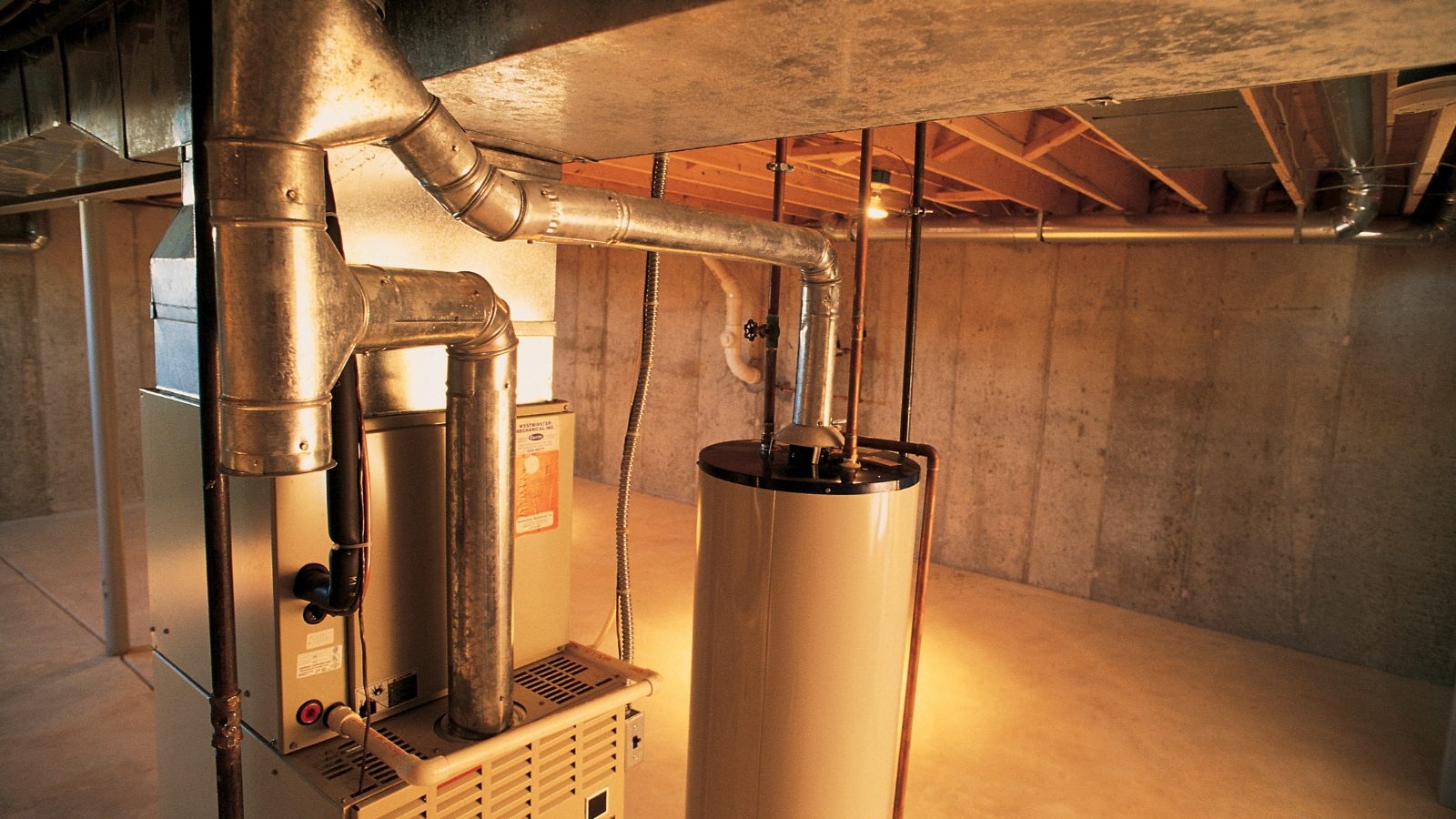
A furnace makes heat by burning gas, propane or oil, or by running electricity through a heating element. It only heats. If you have central air, that’s a separate outdoor unit.
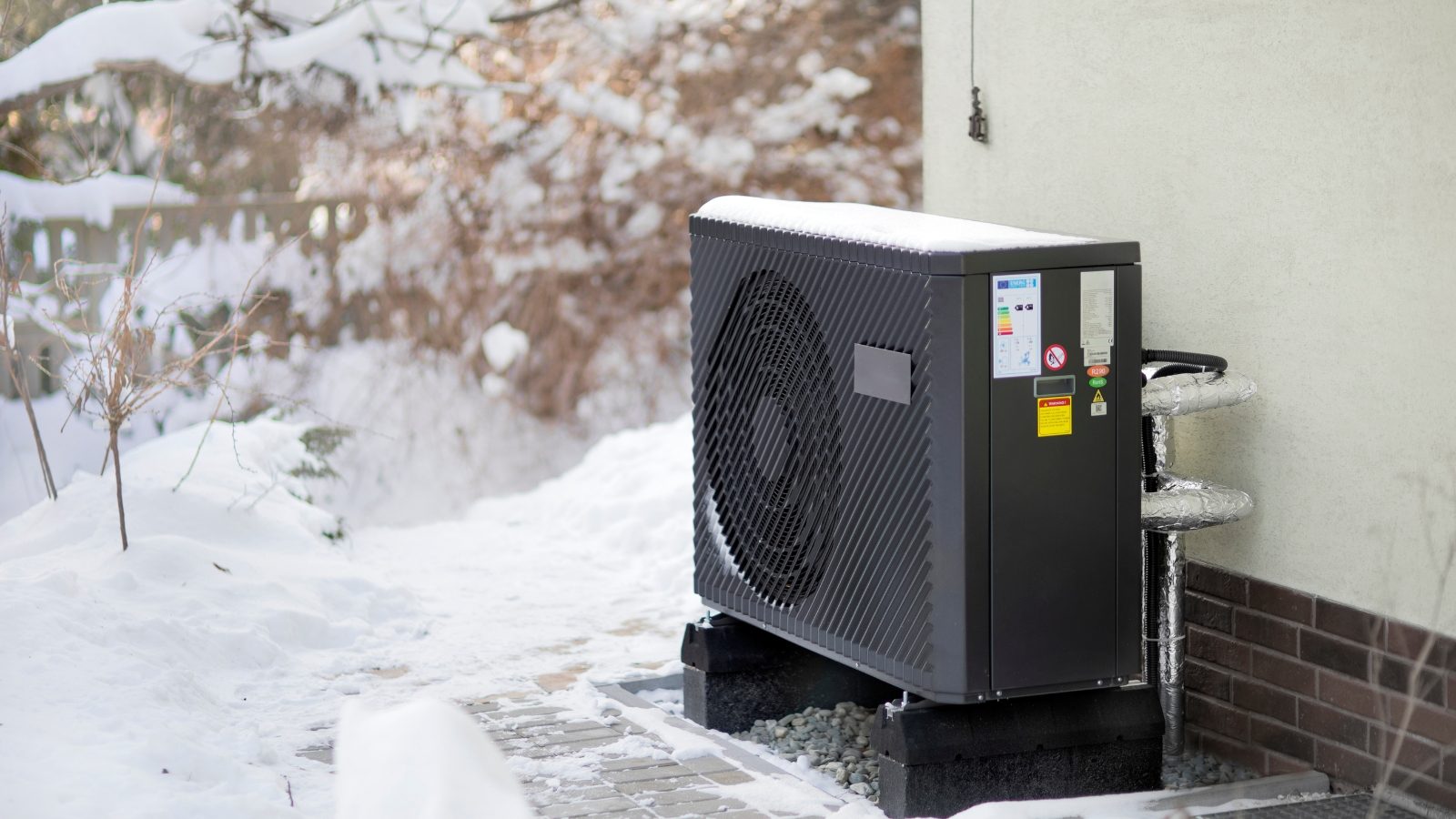
A heat pump moves heat instead of making it. The DOE explains that it uses electricity to transfer heat from a cool space to a warm space: outdoors to indoors in winter, and indoors to outdoors in summer, just like an air conditioner. ENERGY STAR says that’s why a heat pump can deliver up to three times more heat energy than the electricity it uses.
Heat pumps come in two main forms. A ducted system replaces a central AC and connects to your existing ductwork. A ductless mini-split puts a wall or ceiling unit in each room or zone, which the DOE calls a flexible solution for houses without ducts.
Do heat pumps work when it’s really cold?
This is the old objection, and it’s mostly out of date. ENERGY STAR now certifies cold-climate heat pumps, testing their performance down to 5°F. It says a certified cold-climate unit will keep working below 5°F, but that pairing it with a backup heat source is the most efficient setup when it gets colder than that. The DOE recommends looking for that cold-climate label if your winters regularly drop below freezing.
Efficiency does fall as it gets colder, and how far depends on the model. That’s why the sizing and the backup plan matter as much as the brand.
The hybrid option
A dual-fuel or hybrid system pairs a heat pump with a gas furnace. In the DOE’s description, the heat pump handles most heating in milder weather and the furnace takes over when it gets colder. If your furnace is still young but your AC is failing, adding a heat pump in place of the AC can be a way to get there gradually.
What each costs in 2026
The numbers
| System | Typical installed cost |
|---|---|
| Central (ducted) heat pump | about $8,000 average |
| Ductless mini-split, single zone | about $3,250 |
| Larger home (about 2,000 sq. ft., 3–5 tons) | about $12,000 average; high-efficiency systems can top $20,000 |
| Natural gas furnace | about $3,800 – $10,000 |
| Electric furnace | about $2,000 – $7,000 |
Sources: This Old House, “How Much Does a Heat Pump Cost? (2026 Pricing),” updated October 2026, using Homewyse data and a 2026 homeowner survey; and “How Much Does a New Furnace Cost? (2026),” updated April 2026, using HomeAdvisor estimates. Furnace prices don’t include central air.
The comparison isn’t apples to apples. A heat pump replaces both your furnace’s heating (for most of the year) and your central air conditioner. If both are near the end of their lives, compare the heat pump’s price with a new furnace plus a new AC.
How long they last. The home inspectors’ association InterNACHI estimates 10 to 15 years for a heat pump and 15 to 25 for a gas furnace. This Old House says installers put heat pumps at about 15 years.
Advertisement
Which costs less to run?
This is the question that decides it for most people, and it has no national answer. It comes down to your rates.
- Coming from electric baseboard, propane or oil: a heat pump usually wins. The DOE says it can cut electricity use for heating by up to 75% compared with electric resistance heat. A 2017 DOE report on cold-climate heat pumps said homes heated with resistance heat or fuel oil would likely see the most savings.
- Coming from natural gas: it’s closer. Where gas is cheap and electricity is expensive, a modern gas furnace can still cost less to run in a cold winter. Where electricity is cheap, or the climate is mild, the heat pump often comes out ahead.
Ask every contractor who quotes you to estimate annual operating costs for each option, using your actual utility rates. Make them show their math.
Tax credits and rebates
Many heat pump guides, including ENERGY STAR’s product page, still mention a federal tax credit of up to $2,000. The IRS says that credit applies to property placed in service through the end of 2025, so a 2027 install won’t qualify. Some states and utilities run their own heat pump rebates. Ask your installer and check your utility’s website before you sign.
If you’re replacing both heating and cooling at once, it’s a big bill. Our guide to paying for a big home repair compares the options.
A quick way to decide
- Heat pump makes the most sense if you heat with electric resistance, propane or oil; if you need to replace your AC anyway; if you have mild or moderate winters; or if you’re adding heat and cooling to rooms without ducts.
- Gas furnace makes the most sense if you have cheap natural gas, very cold winters and a working central AC with years left, or if your house can’t accommodate a heat pump without major work.
- Hybrid makes sense if you’re in a cold climate, have gas service, and want the heat pump’s efficiency most of the year with the furnace as backup.
Your next step
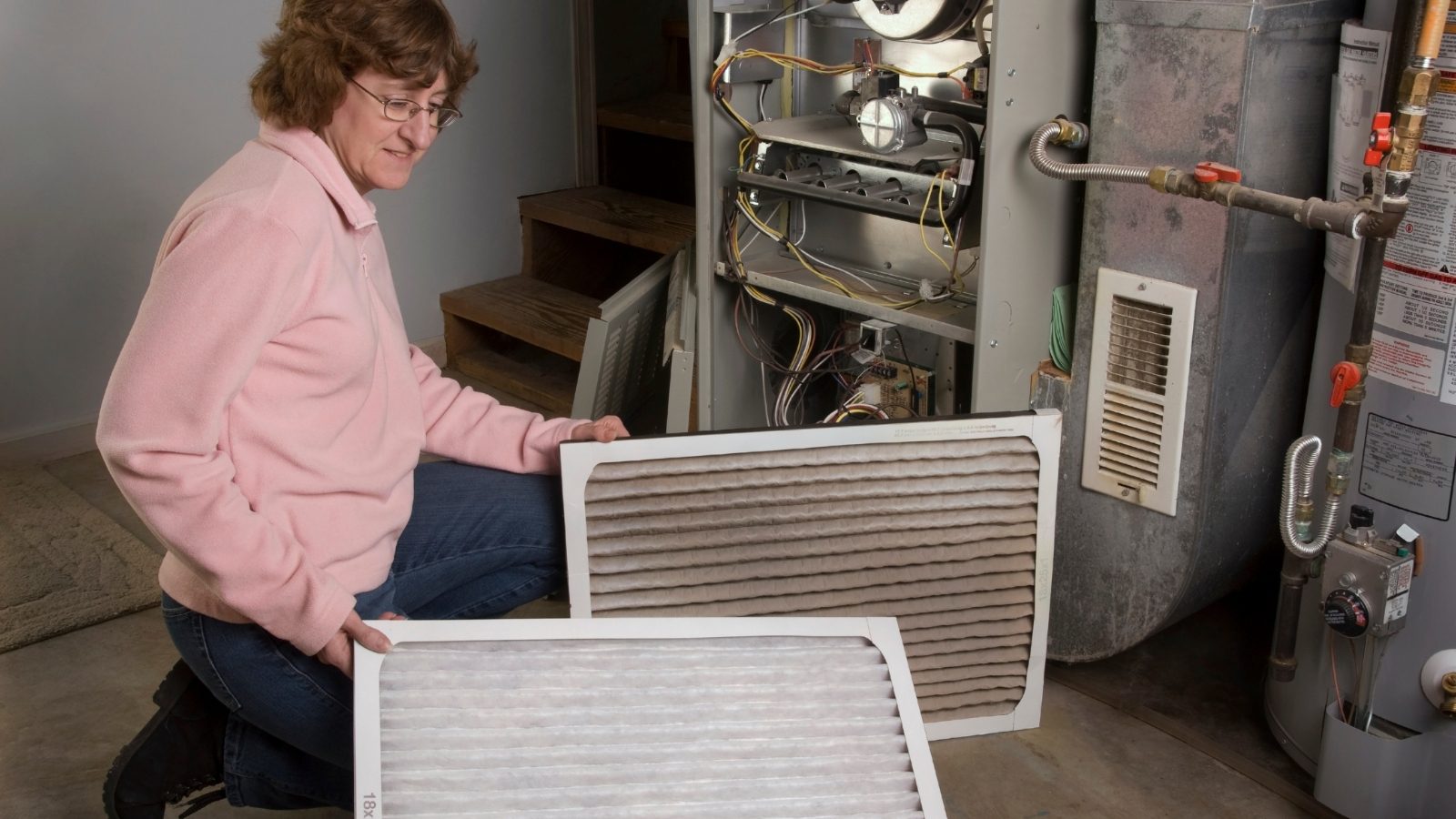
Find the age of your furnace and your air conditioner. If either is past the middle of its expected life, start getting quotes now, before it fails in January. Ask for at least one quote on each option. For the furnace side of the decision, see our furnace repair-or-replace guide, and for budgeting, what owning a home really costs.
Advertisement
Questions readers ask
Is a heat pump cheaper to run than a gas furnace?
It depends on your local electricity and gas prices and on your climate. Against electric baseboard, propane or oil, a heat pump usually wins; the Department of Energy says a heat pump can cut electricity use for heating by up to 75% compared with electric resistance heat. Against cheap natural gas in a very cold climate, a gas furnace can still cost less to run. Ask a contractor to run the numbers with your actual utility rates.
Do heat pumps work in cold climates?
Newer ones do. ENERGY STAR's cold-climate certification tests heat pumps down to 5°F, and it says certified cold-climate units keep working below that, though pairing them with a backup heat source is most efficient in the coldest weather.
How much does a heat pump cost compared with a furnace?
This Old House puts a central heat pump at about $8,000 installed on average in 2026, and a ductless mini-split for one area at about $3,250. Its furnace guide puts a natural gas furnace at about $3,800 to $10,000 installed. A heat pump also replaces your central air conditioner, which a furnace doesn't.
What is a dual-fuel or hybrid system?
A heat pump paired with a gas furnace. The Department of Energy describes it as the heat pump handling most heating in milder weather, with the furnace taking over when it gets colder.
Is there still a tax credit for heat pumps?
Not the federal one most guides mention. The IRS says the Energy Efficient Home Improvement Credit, which covered up to $2,000 a year for qualifying heat pumps, applies to property placed in service through the end of 2025. Check for state and utility rebates.